Drywall installation and repair you will not see once it is painted
Good drywall disappears. Whether it's a whole addition, a basement finish, a ceiling ruined by a roof leak or a hole where a door swung too hard, we hang the board tight and tape it flat, then sand it smooth so the paint is all you see. And because we fix roofs and siding, we can fix the leak that ruined the ceiling in the same visit.

GAF Master Elite® CertifiedFewer than 3% of roofing contractors nationwide. Verify contractor ID 1135609 on GAF

BBB Accredited BusinessA+ rating from the Better Business Bureau. See our BBB profile.
What's included
- New walls and ceilings for additions and basements, as well as renovations
- Water-damage repairs and patches for holes and cracks, blended into the existing finish
- Taping, mudding and sanding to a level-4 finish, or level-5 for glossy paint and raking light
- Moisture-resistant and mold-resistant board for bathrooms and basements
- Fire-rated board where code requires it, such as garages and furnace rooms
- Insulation and vapor barrier before the board goes up
- Dust contained with plastic and zip walls, and surfaces ready for paint when we leave
Most repairs we're called to redo were feathered too narrow or primed too early. We take the extra coat and the extra day. The board goes up tight, the tape lies flat, and we sand until the paint is all you see.
L.I. Taylor Construction is a GAF Master Elite® contractor (ID 1135609), licensed in Suffolk County (HI-64134), Nassau County (196461) and New York City (2114459-DCA), and fully insured. It is a BBB Accredited Business with an A+ rating. Financing is available for qualifying projects.
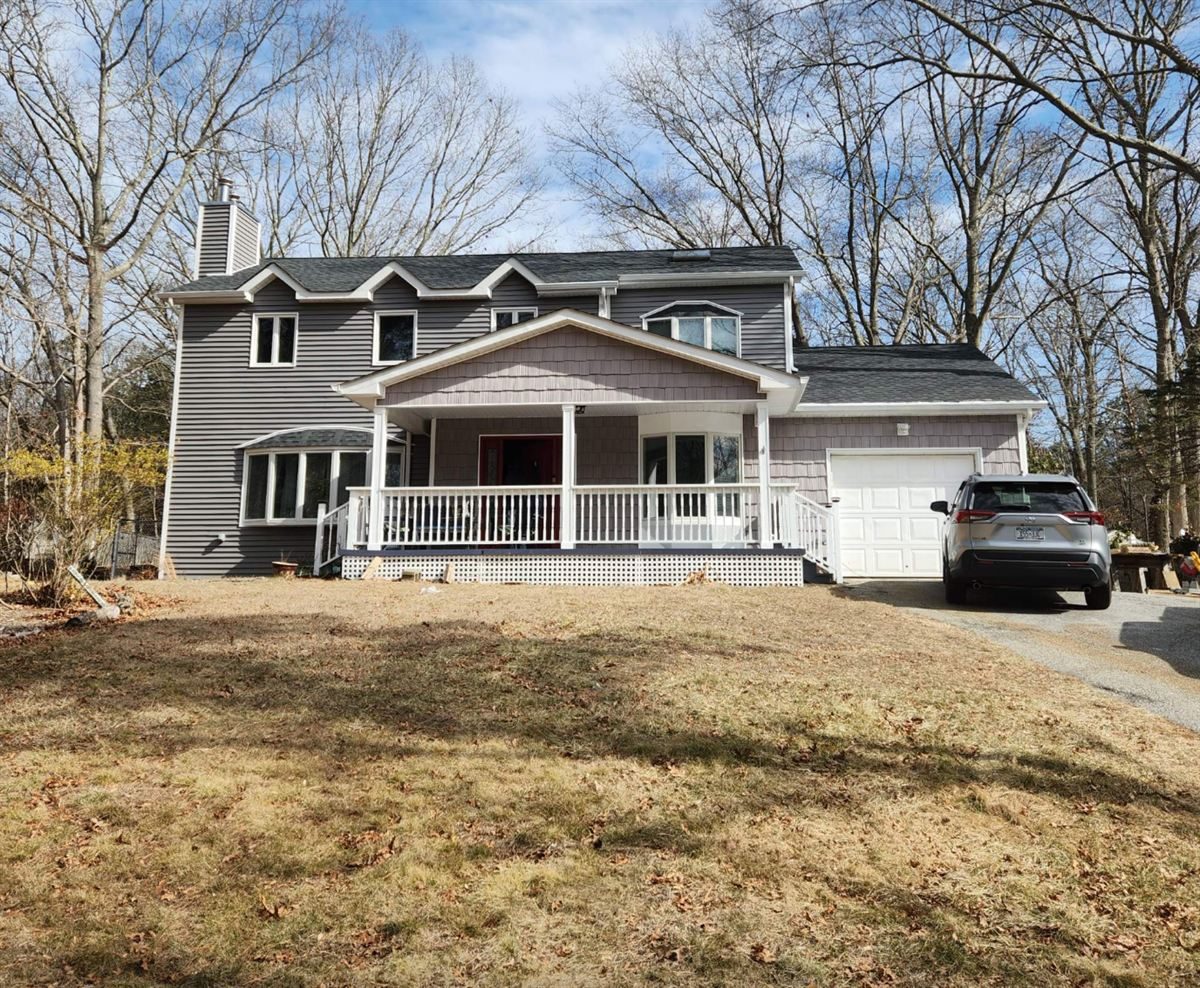
How a drywall job goes
Look at the cause
For repairs, we find out why the wall or ceiling failed. A water stain starts with a roof or plumbing problem, or failed flashing. We fix the cause first so the drywall repair lasts.
Protect the house
We cover floors and furniture with plastic and put a zip wall at the doorway. A fan pulls dust out a window. Sanding dust travels, so we keep it in the room.
Hang the board
We hang sheets with the long edge across the studs and stagger the joints. Screws sit just below the surface. Moisture-resistant or fire-rated board goes where the room calls for it.
Tape and mud
Paper or mesh tape covers every seam, and corner bead protects outside corners. We apply three coats of compound, feathered wide, and let each coat dry before the next.
Sand and prime
We sand the surface smooth, then hold a light at a low angle to catch ridges. A coat of primer helps the paint go on evenly.
Paint if you want it
We can paint the finished walls as part of the same job, or leave them primed and ready.
Drywall work we handle
What affects the cost
Drywall pricing depends on the square footage of board, the finish level and the prep work. What changes the estimate:
- Total wall and ceiling area, and ceiling height. Anything over nine feet needs staging.
- Finish level. Level 4 for standard paint; level 5 skim coat for gloss paint or walls that get raking light.
- Repair complexity. Blending a patch into an existing texture takes more time than finishing a flat wall.
- Board type. Moisture-resistant and mold-resistant board cost more than standard board, as does fire-rated board.
- Insulation and vapor barrier, if the wall is open.
- Demolition and disposal of damaged material, and any framing repair.
The only way to get a real number is a free on-site estimate. Request one below or call 631-404-9022. Your call goes straight to David, and the estimate is in writing.
Related services and nearby towns
Often done together
Where we do this work
Drywall questions
Can you repair a ceiling that was damaged by a roof leak?
Yes, and we'll fix the roof first. Repairing the ceiling before fixing the leak means doing it twice. Once the roof, flashing or gutter problem is solved and the cavity is dry, we remove the stained board and replace any wet insulation. Then we patch and blend the ceiling.
How long does drywall take to finish?
Hanging is fast. Finishing takes days because each coat of compound needs to dry. A single room usually takes three to four days from hanging to ready-for-paint. A whole basement runs a week or more. Humidity slows drying, so summer jobs can take a little longer.
What is the difference between a level 4 and level 5 finish?
Level 4 is the standard: three coats over tape and fasteners, sanded smooth. Level 5 adds a thin skim coat over the whole surface so there's no difference in texture between paper and compound. You want level 5 under semi-gloss paint or on a wall that gets sunlight along its length. Otherwise, level 4 is the right spend.
Will there be dust everywhere?
Not if it's done right. We hang plastic, seal the doorway, vacuum-sand where possible and run a fan out a window. There's still some fine dust in the work area, but it shouldn't be in the rest of the house.
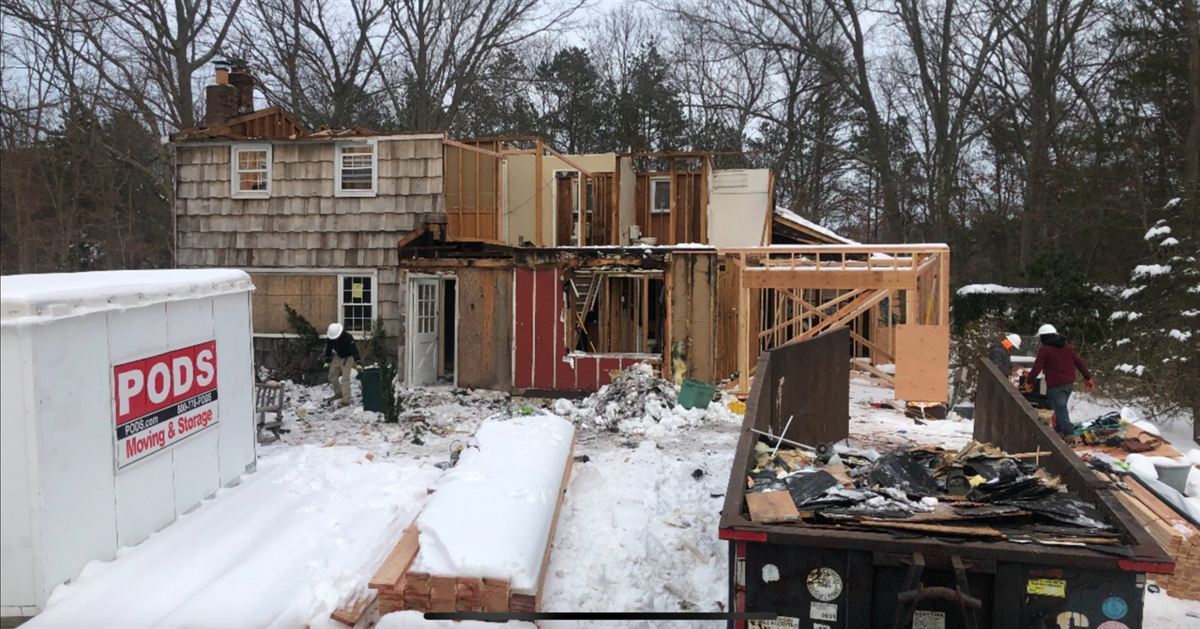
Related project
From the LIT gallery. Drag the handle to compare before and after.
Get a free estimate
Tell us about the job and David will call you back, usually the same day. No pressure, no obligation, and financing is available for qualifying projects.
631-404-9022Open every day, 8AM–6PM