Emergency roof repair when water is coming in
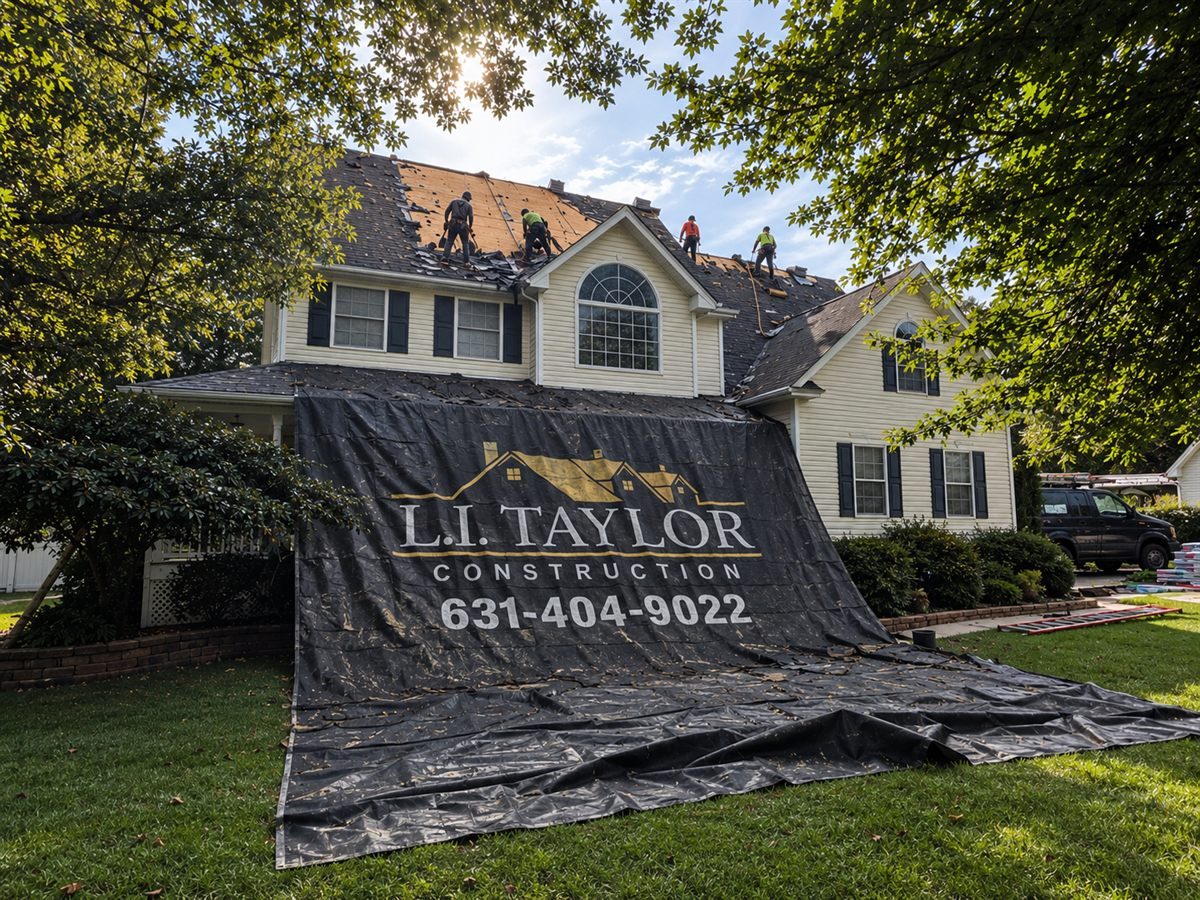
A nor'easter peels back shingles or a tree limb punches through the deck. Sometimes a ceiling stain spreads overnight. Call 631-404-9022 and say it's a leak. Your call goes straight to David, and active water intrusion goes ahead of scheduled estimates. We get a tarp or temporary patch on to stop the damage and photograph everything for your insurance claim. Then we come back with a written plan for the permanent fix, whether that's a repair or a new roof.

GAF Master Elite® CertifiedFewer than 3% of roofing contractors nationwide. Verify contractor ID 1135609 on GAF

BBB Accredited BusinessA+ rating from the Better Business Bureau. See our BBB profile.
What's included
- Emergency tarping and temporary patches to stop active leaks
- Leak tracing from the ceiling stain back to the entry point on the roof
- Repair of storm, wind and fallen-tree damage on shingle, flat and commercial roofs
- Missing or lifted shingles, torn flashing, damaged ridge vents and pipe boots
- Ice-dam damage and gutter tear-off repair after winter storms
- Photos and a written scope you can hand to your insurance adjuster
- A straight answer on repair versus replacement, in writing
Most emergency calls we get start with a roof that had a small problem for years: a cracked pipe boot or a lifted shingle over a valley. Sometimes it's failing chimney flashing. The storm just made it visible. We fix the immediate leak, then tell you what caused it and whether the rest of the roof has life left. As a GAF Master Elite contractor, we use matching GAF materials where the roof qualifies so the repair doesn't void an existing warranty.
L.I. Taylor Construction is a GAF Master Elite® contractor (ID 1135609), licensed in Suffolk County (HI-64134), Nassau County (196461) and New York City (2114459-DCA), and fully insured. It is a BBB Accredited Business with an A+ rating. Financing is available for qualifying projects.
How an emergency call goes
You call and say it is a leak
Active water gets priority over scheduled estimates. Tell us what you see: where the water is, how fast, and whether anything came through the roof. If it is safe, put a bucket down and move furniture; do not go on the roof.
Stop the water
The first visit stops the water with a tarp secured over the damaged area or a temporary patch on torn flashing. For an ice dam, that means clearing it so water can drain. This buys time to plan the permanent repair without more interior damage.
Find the real source
Water can travel. The bedroom ceiling stain is often several feet from the entry point. We trace the leak from inside the attic and on the roof, then repair the spot where water gets in.
Document for your claim
We photograph the damage and its cause, including the affected interior. We also write a scope with measurements. That's what an insurance adjuster needs to approve the work. The claim is between you and your insurer; we make it easy to file.
Written repair or replacement plan
If the roof is otherwise sound, you get a repair price. If the damage exposed a roof at the end of its life, you get a replacement price too, with the reasons spelled out. It's your decision.
Permanent fix
We match the shingles, install new flashing and replace decking where a limb came through. Then we check the rest of the roof for the next weak spot. Tarps come off. We clean up the job.
Storm damage we see most on Long Island
What affects the cost
Emergency work is priced from what we find on the roof. Here's what goes into the price:
- The emergency visit and tarping are priced separately so you can decide about the permanent repair without pressure.
- The size of the damaged area and the number of layers involved.
- Decking or framing that needs replacement. We only know what's needed once the shingles are off.
- Matching materials. An older or discontinued shingle color sometimes means repairing a slightly larger area to keep the repair invisible.
- Access. Steep pitches and second-story sections take longer, as do roofs still covered in debris.
- Whether the repair becomes a replacement. If the roof is at the end of its life, we show you both prices.
The only way to get a real number is a free on-site estimate. Request one below or call 631-404-9022. Your call goes straight to David, and the estimate is in writing.
Related services and nearby towns
Often done together
Where we do this work
Emergency roof questions
What should I do right now if my roof is leaking?
Stay off the roof. Put a bucket under the drip, move or cover furniture and electronics, and if the ceiling is bulging with water, poke a small hole in the center with a screwdriver so it drains into the bucket instead of bringing the ceiling down. Then call us and photograph the damage for your records.
Will you work with my insurance company?
We give you everything the adjuster needs: photos of the damage and its cause, plus a written scope with measurements and an itemized price. Many homeowners on Long Island have their roof repair or replacement covered after a storm. The claim is yours to file. We'll meet the adjuster on site if that helps.
Is a tarp a real fix?
No. A tarp stops water for days to a few weeks, keeping interior damage from growing while we plan the repair and order materials, or while you wait for the adjuster. Every emergency visit ends with a date for the permanent repair.
Do I need a whole new roof after storm damage?
Usually not. If the roof is under about 15 years old and the damage is in one area, a repair with matching materials is the right answer. We'll say so. If the storm exposed brittle shingles or widespread lifting, or the roof is already past its life, replacement is the honest recommendation. We put both options in writing so you can compare.
Related project
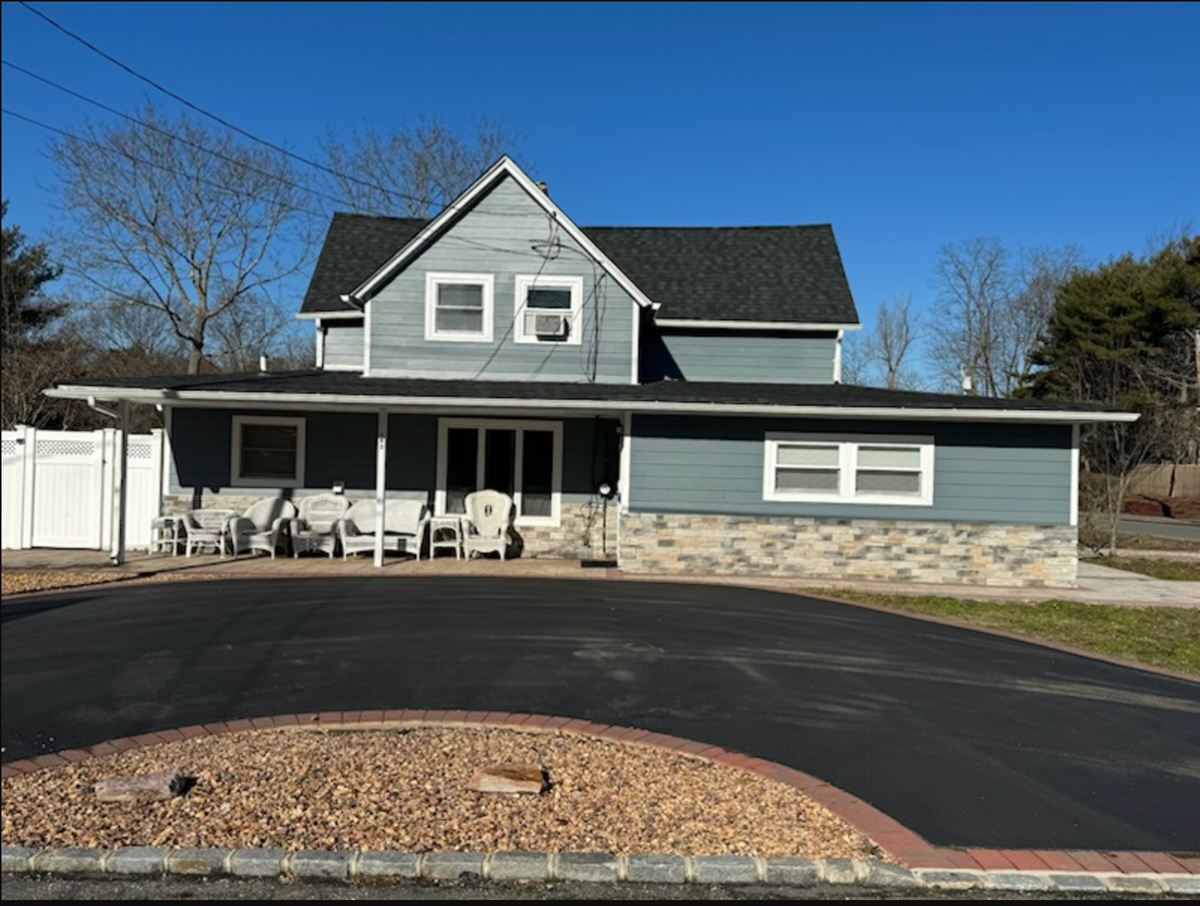
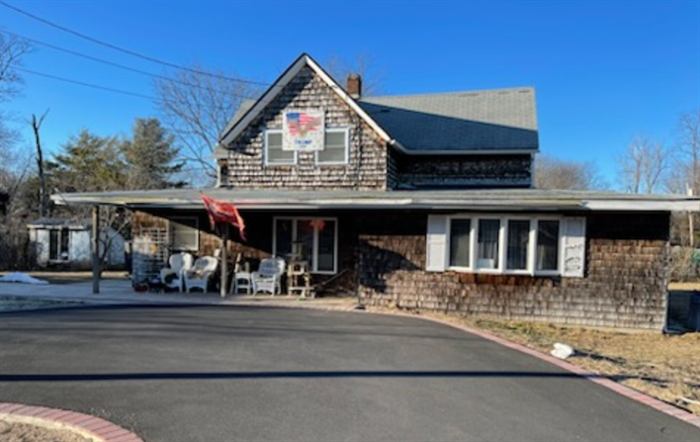
From the LIT gallery. Drag the handle to compare before and after.
Get a free estimate
Tell us about the job and David will call you back, usually the same day. No pressure, no obligation, and financing is available for qualifying projects.
631-404-9022Open every day, 8AM–6PM